
Maine Legislative Action
The Surfrider Foundation Maine Chapter is engaged to protect what we love: Maine’s ocean, waves, and beaches.
100% Protection of Our Coastlines
Our model is to engage environmental experts to create solutions, unite local and national resources to protect the coast, and leverage our local chapter network’s knowledge with a national perspective.
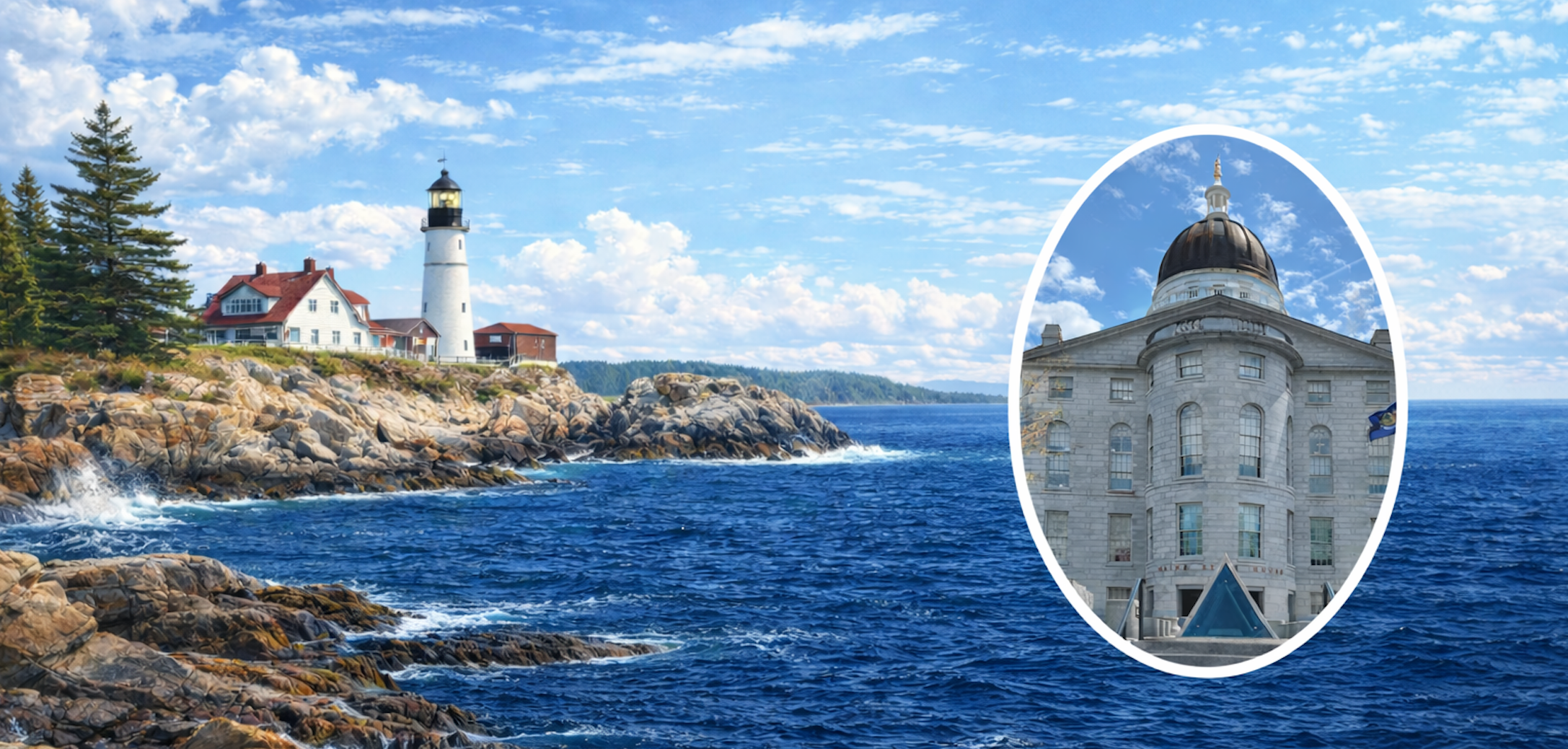
Our advocacy extends beyond the shoreline and into the halls of power. From meetings on Capitol Hill in Washington, D.C., to testimony at the Maine State House in Augusta, and conversations in city halls across our coastal communities, we work directly with legislators and decision-makers to advance strong, science-based policies that protect our ocean, waves, and beaches. We believe meaningful stewardship happens when engaged citizens and elected officials work side by side. That’s why we remain diligent, informed, and united — building relationships, tracking legislation, and showing up consistently to ensure our coastal regions are safeguarded for future generations.

Plastic Reduction
Surfrider Maine’s policy team works to reduce plastic pollution from cradle to grave — advancing solutions that address extraction, manufacturing, consumption, and disposal. Plastic pollution is not just a litter problem; it is a systemic environmental and public health crisis. From the depletion of fossil fuel resources used in plastic production, to the toxic emissions released during manufacturing, to the persistent waste accumulating on our beaches and in our waters, plastics impose a heavy burden on our ecosystems and coastal economies. Marine debris harms wildlife, threatens fisheries and tourism, and shifts cleanup costs onto local communities. At the same time, emerging scientific research continues to link microplastics to serious human health concerns, underscoring that plastic pollution is not only an ocean issue, but a personal one. By advocating for upstream solutions and strong waste reduction policies, we work to protect both our coastline and the communities who depend on it.
Better Bag Ban
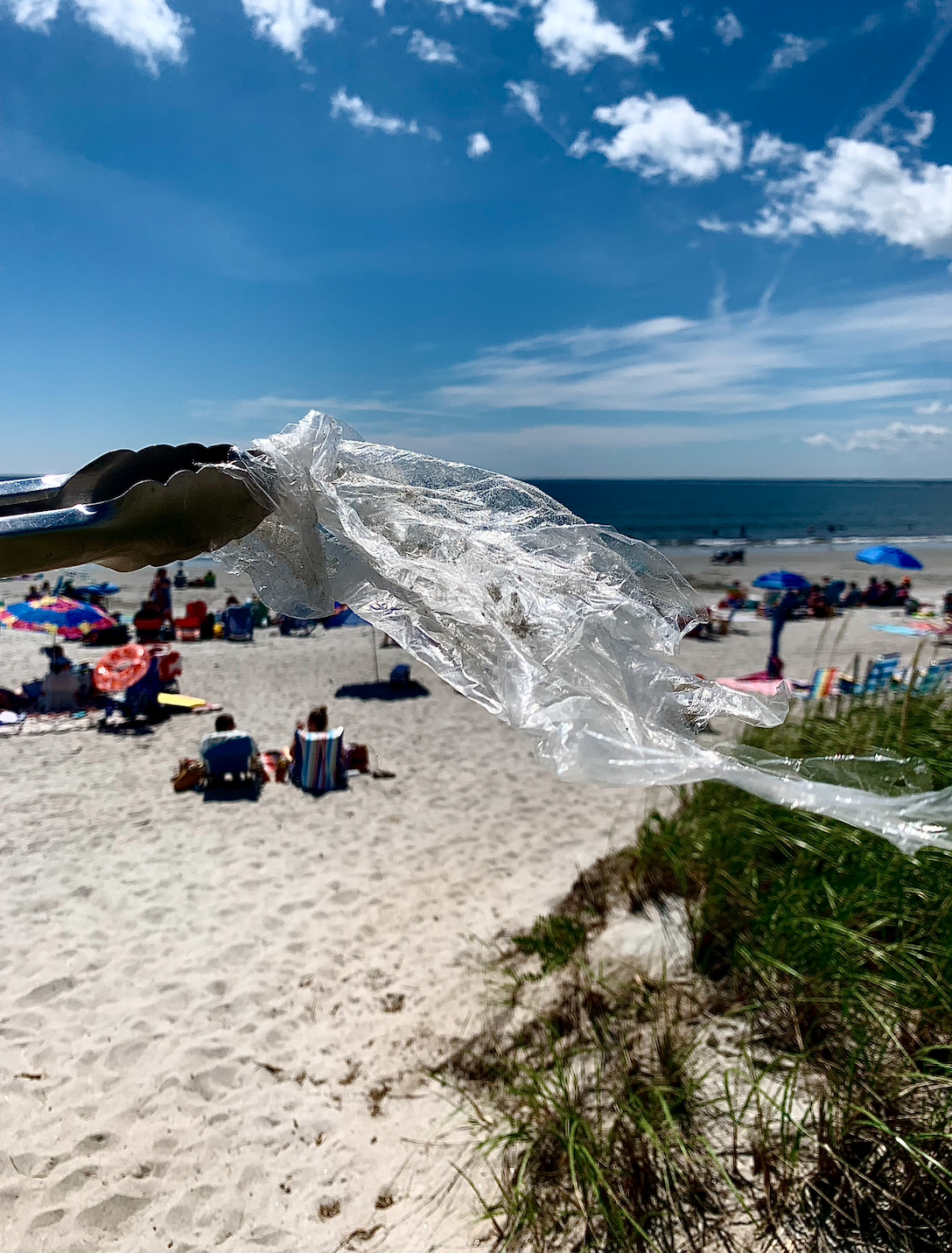
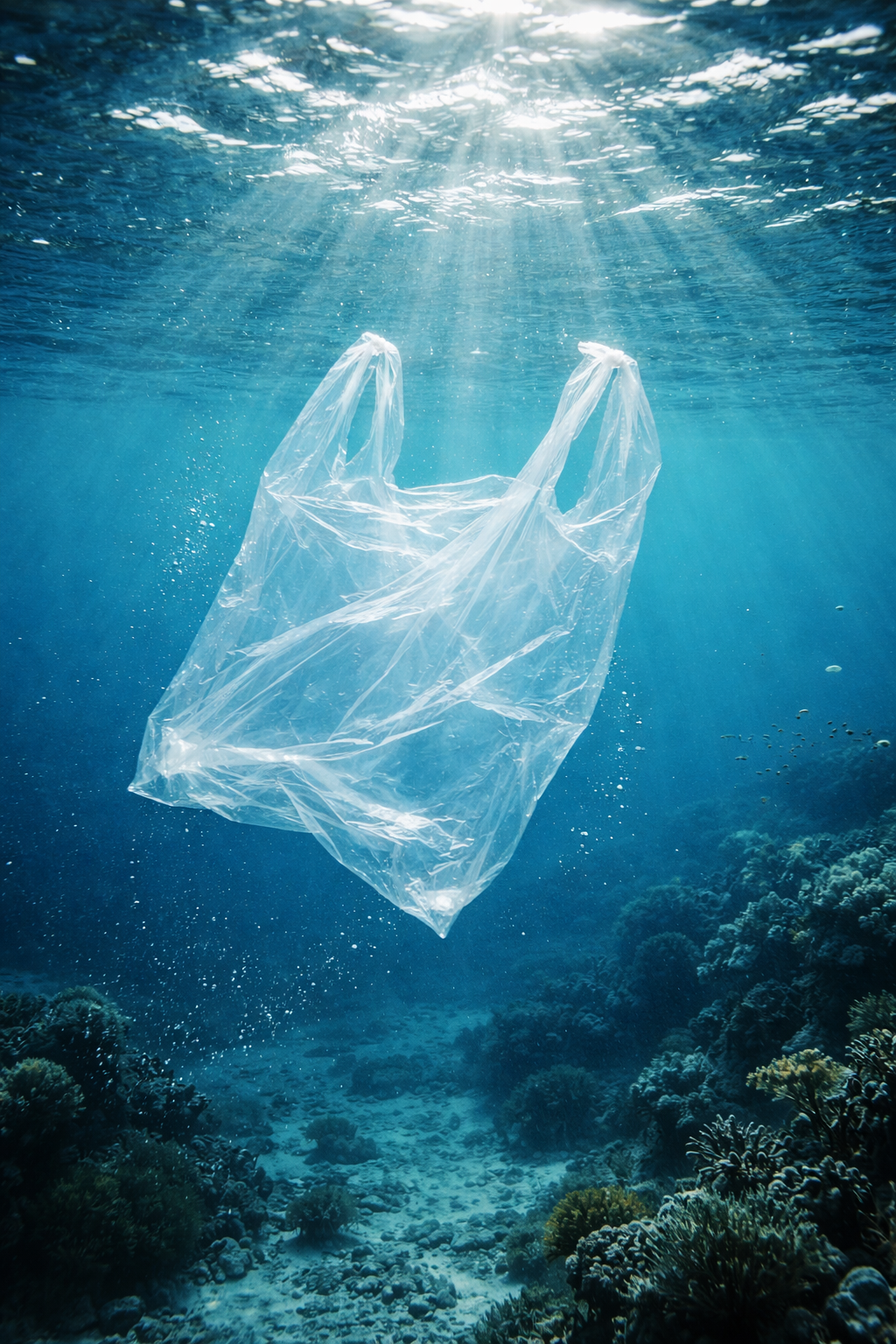
The Better Bag Ban seeks to strengthen Maine’s existing single-use plastic bag law by closing a loophole that undermines its original intent. The current structure allows thicker plastic film bags — nearly twice the thickness of those initially banned — to be distributed under the assumption that they would function as “reusable” bags. In practice, these thicker bags are rarely reused and instead continue to contribute to plastic pollution across our communities and coastline. This concession has weakened the effectiveness of the law and slowed meaningful reduction in plastic waste. Our campaign works to amend the statute to eliminate this loophole, restore the integrity of the original policy, and ensure Maine’s bag ban truly reduces plastic at the source rather than simply shifting the problem to a slightly heavier material.
Skip the Stuff
Skip the Stuff advances common-sense policies that dramatically reduce the unnecessary distribution of single-use plastics — including straws, utensils, condiment packets, and napkins — by making them available only upon request. Far too much plastic enters circulation automatically, often going unused and heading straight to the landfill or into our waterways. By shifting from default distribution to “by request only,” we can significantly reduce waste at the source. These policies not only protect our ocean and coastal communities from plastic pollution, but also save businesses money by cutting purchasing costs and reducing excess inventory. Skip the Stuff demonstrates that smart environmental policy and sound economic practice can go hand in hand — reducing waste, supporting local businesses, and keeping unnecessary plastic out of our ecosystem.
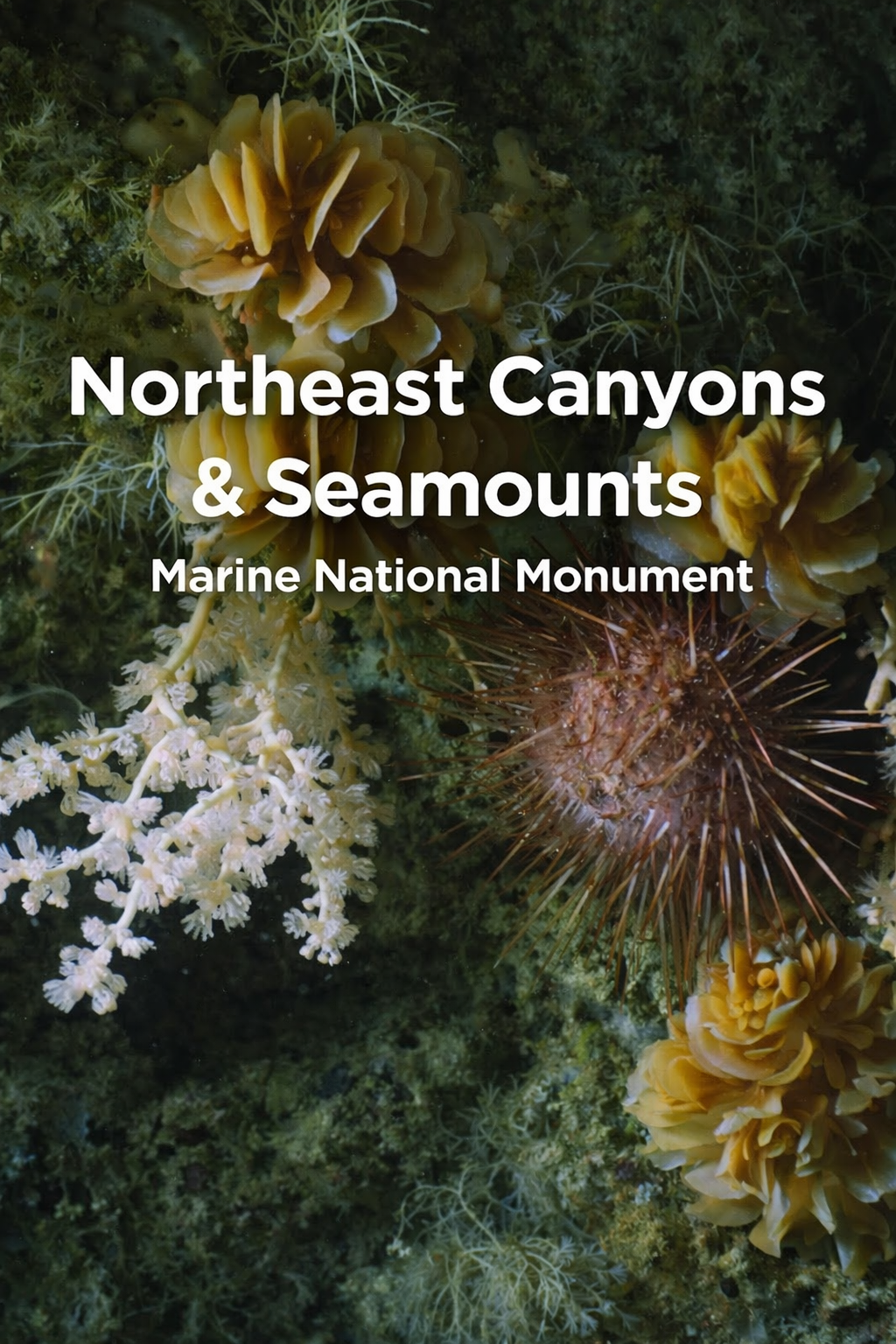
Safeguarding Our Marine Protected Areas
The Northeast Canyons & Seamounts Marine National Monument — the only marine national monument in the Atlantic — has faced repeated political attacks, including efforts by the Trump administration to weaken critical protections by lifting the prohibition on commercial fishing within its boundaries. These rollbacks undermined science-based conservation measures designed to protect fragile deep-sea corals, endangered species, and sensitive canyon ecosystems that take centuries to recover from disturbance. Marine Protected Areas are established to provide long-term ecological resilience, not to shift with political tides. Surfrider and our partners will continue to fight efforts to erode these safeguards, defend strong management plans grounded in science, and advocate for durable, enforceable protections that ensure this extraordinary ecosystem remains protected for future generations.
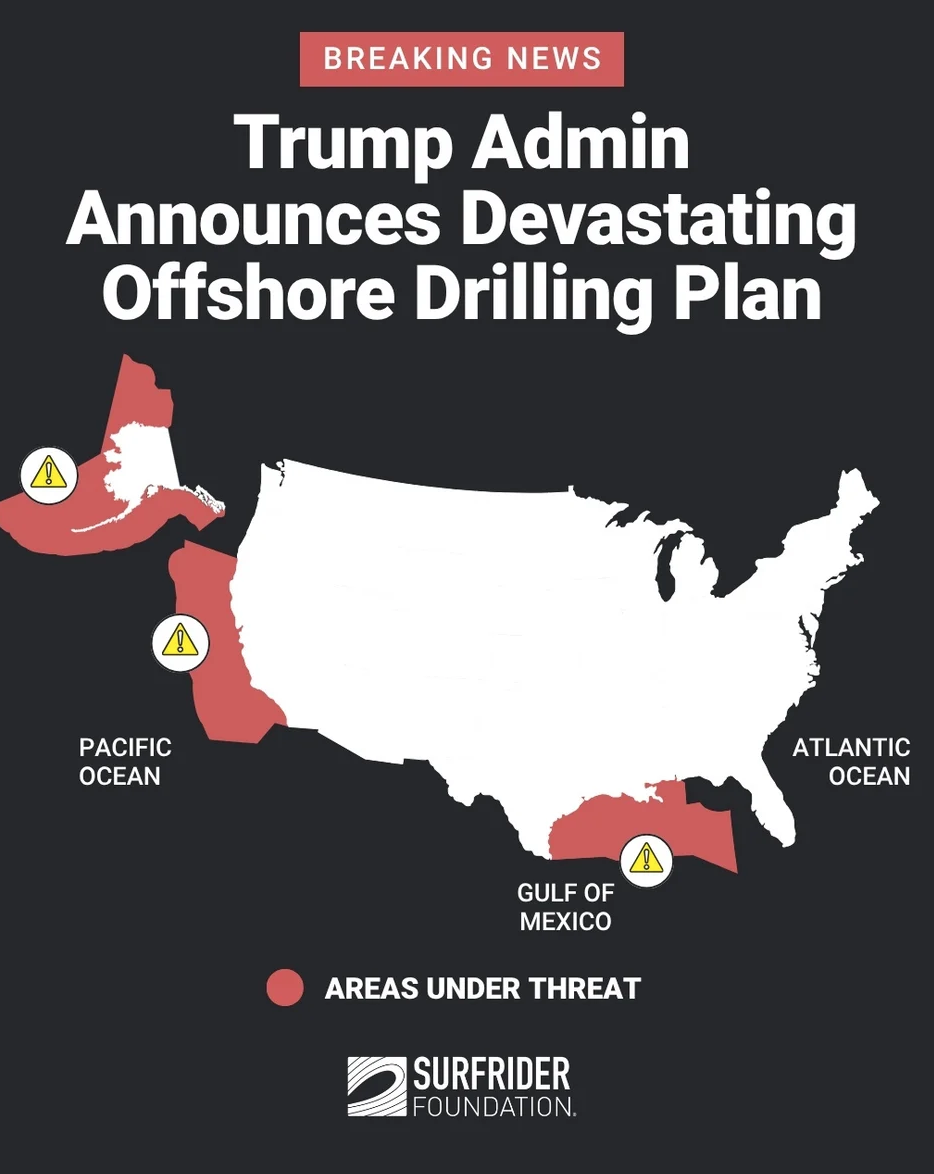
STOP New Offshore DRILLING
Surfrider is calling on Congress to permanently protect our coasts. The radical offshore drilling proposal has achieved the increasingly rare feat of uniting Democrats and Republicans in a common cause. From Florida to California to Alaska, lawmakers from both parties are speaking out against the plan as unnecessary and out of step with most Americans' interests. Surfrider is urging Congress to respond to this public opposition by passing legislation to prohibit new offshore drilling across all U.S. regions
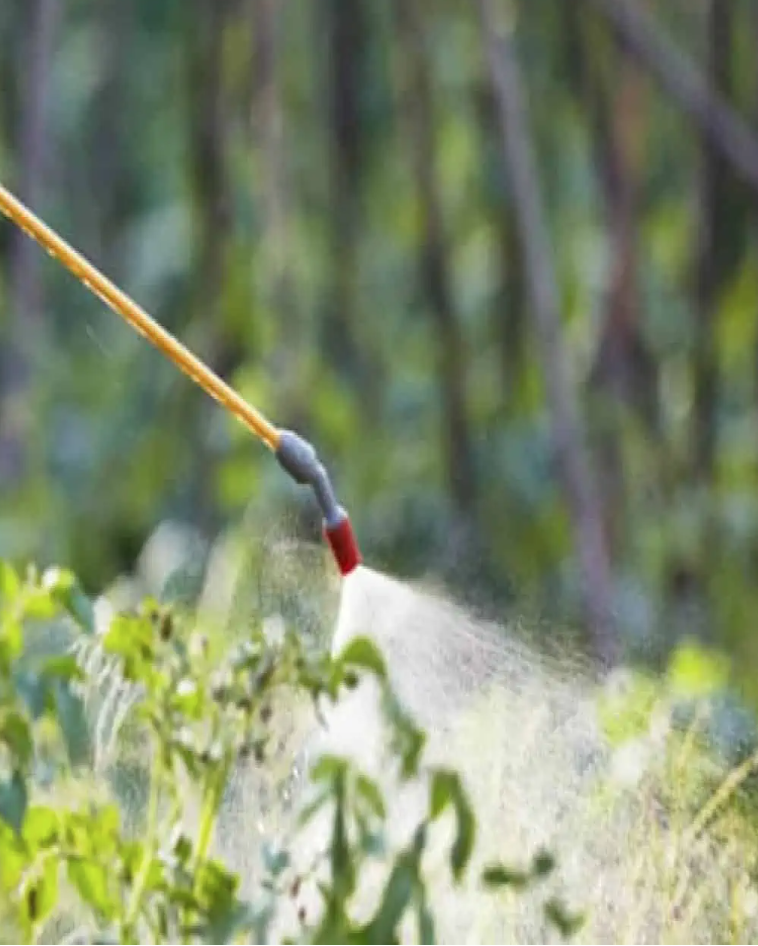
Eliminate Toxic Pesticides
Pesticides pose a significant threat to our environment, water quality, and public health. Many synthetic pesticides — including highly toxic classes like neonicotinoids — are designed to kill insects but also harm vital pollinators and other beneficial organisms, contaminate soil, and are easily transported by stormwater into streams, rivers, and ultimately the ocean. Once in the water, these chemicals degrade water quality, endanger aquatic life, and contribute to long-term ecosystem imbalances. Pesticide runoff threatens drinking water sources and harms wildlife at very low concentrations, while some compounds are persistent and can accumulate in food webs. In Falmouth, Maine, the passage of a local ordinance regulating the use of pesticides and fertilizers marks a major step toward safeguarding clean water and community health by prohibiting outdoor application of neonicotinoids and restricting pesticide use near water bodies and storm drains — a policy advance rooted in science and community advocacy to prevent toxic chemical pollution before it enters the environment.
Our ocean, waves and beaches are everything. Let’s save them.
Our Core Values
The Surfrider Foundation believes that getting outside and engaging with the natural world, especially the ocean, waves and beaches, is inspiring, supports healthier lifestyles, improves productivity and ultimately creates a better culture.
1. Honor the mission.
Surfrider is dedicated to the protection and enjoyment of the world’s ocean, waves and beaches for all people, through a powerful activist network. At the center of every action we take is our mission, our grassroots structure and local perspectives. We aim for positive impact and measurable results on behalf of the communities that we serve.
2. The beach is fun and Surfrider should be, too.
Surfrider comprises people who love the ocean, work hard to protect it, and need to enjoy it as part of keeping advocacy gratifying and fun. We are optimistic about the future of our ocean and coasts because our volunteers make a positive difference every day.
3. We are open and inclusive.
Our ocean, waves and beaches belong to all of us, and we welcome all who are interested in joining our movement. Through our principles of Justice, Equity, Diversity and Inclusion (JEDI), we seek to engage and represent the communities that we work in, and tosupport, create, foster and champion diversity at all levels within our organization.
4. We cultivate leaders.
We believe that the most effective way to build a coastal protection movement is to provide leadership opportunities for our volunteers. By cultivating their voices and skills, we are preparing the next generation of coastal defenders to lead within their own communities.
5. We are problem solvers.
We are solution-oriented. Surfrider applies science, critical thinking and innovation to assess problems and develop practical long-term solutions that protect our coasts.
6. The Surfrider is yours to create.
The Surfrider culture is defined by the people who show up with a love of the ocean and care deeply for its well-being. Through science, community and respect, we are people who joyfully take on the challenges before us. Our culture is one of selflessness, sharing, and bringing people together to achieve Surfrider’s mission.